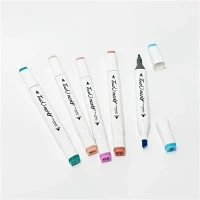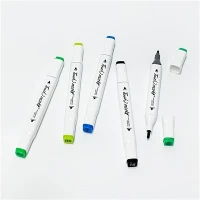

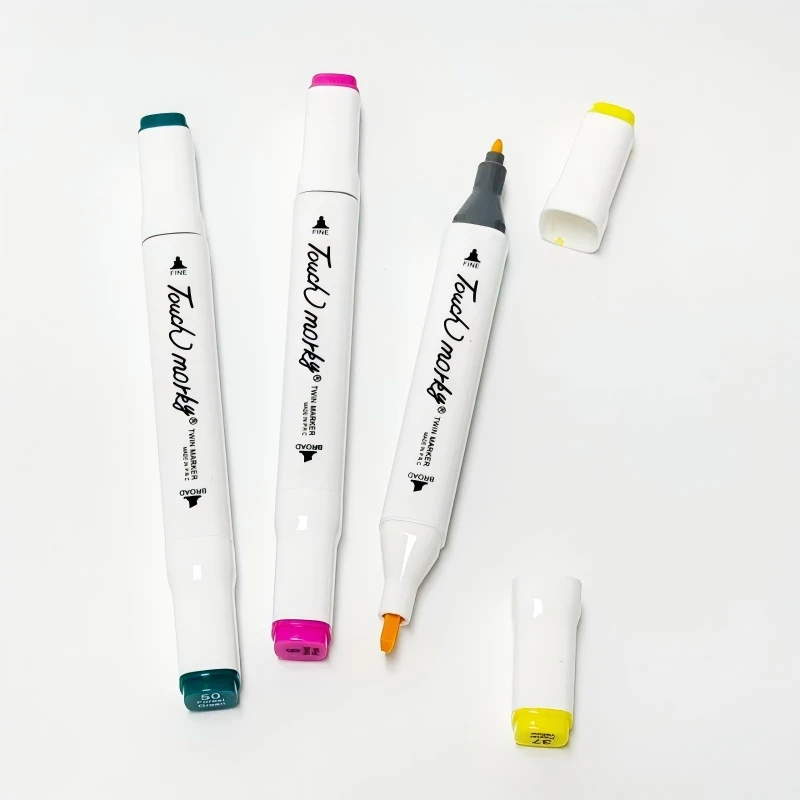
Alcohol Drawing Markers
Alcohol Drawing Markers are drawing tools that use alcohol-based ink to create coloured marks with fast solvent evaporation and controlled pigment distribution. Their ink formulation allows colours to spread across the drawing surface while maintaining a relatively consistent colour layer. Compared with water-based markers, alcohol markers have different drying behaviour, blending characteristics and surface interactions.
The marker's performance depends on several connected components: the ink formulation, fibre or other nib construction, internal ink storage system and barrel design. Ink solvent concentration affects drying behaviour, while pigment selection influences colour intensity and transparency. Nib shape determines how the ink is transferred to the surface and how different line widths can be produced.

alcohol drawing markers Colour Blending
Alcohol-based ink is commonly selected for illustration work because its solvent-based formulation supports colour layering and blending. When two compatible colours are applied close together, the wet ink can be worked across the surface to create gradual transitions.
Colour results depend on pigment concentration, solvent evaporation and the absorbency of the drawing material. Applying several layers can also change the apparent colour depth. On non-absorbent or coated surfaces, ink behaviour may differ from that on marker paper, so the intended paper type should be included in product testing.
For colour collection development, the following properties should be considered:
Colour Intensity: Determines how strongly a marker colour appears on the selected paper.
Transparency: Affects whether underlying lines remain visible after additional layers.
Blending Behaviour: Influences how smoothly adjacent colours transition.
Drying Characteristics: Affects the time available for overlapping and blending strokes.
Layering Response: Determines how repeated applications change the colour appearance.
Paper Compatibility and Drawing Applications
Marker Paper
Smooth marker paper is designed to support controlled ink application. It can help reduce excessive absorption and provide a more predictable surface for colour layering.
Illustration Paper
The surface characteristics of illustration paper affect line edges and colour transitions. Testing helps determine how the selected marker performs during detailed drawing and overlapping strokes.
Cardstock
Thicker cardstock may be used for certain illustration and design projects. Its coating and absorbency should be checked because they can affect drying and colour appearance.
Mixed-Media Paper
Mixed-media paper can have a different surface texture and absorption rate. Marker performance should be evaluated before specifying it as a recommended surface.
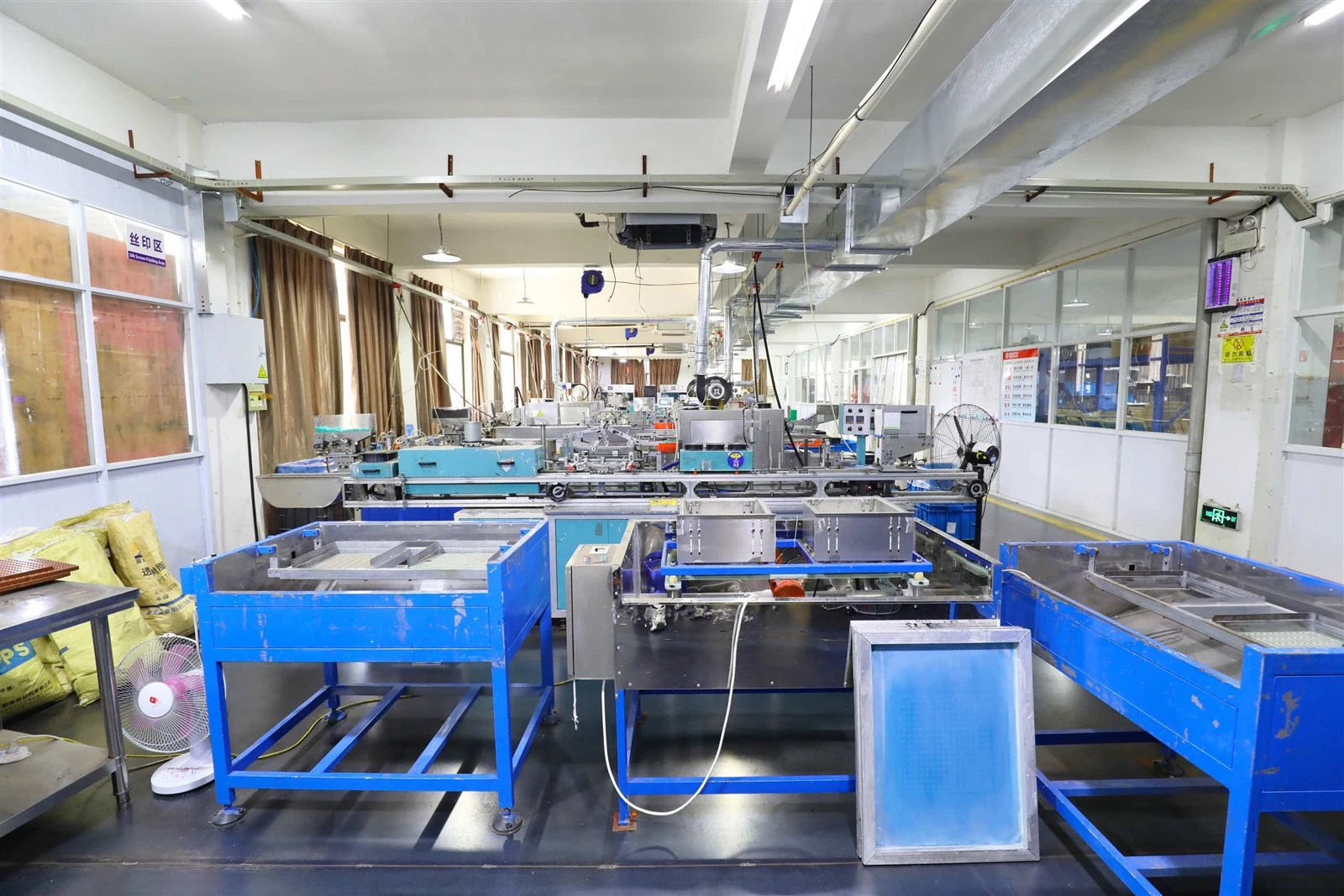
Customization for alcohol drawing markers
Qianxiang can coordinate alcohol drawing marker specifications according to the selected model and collection requirements.
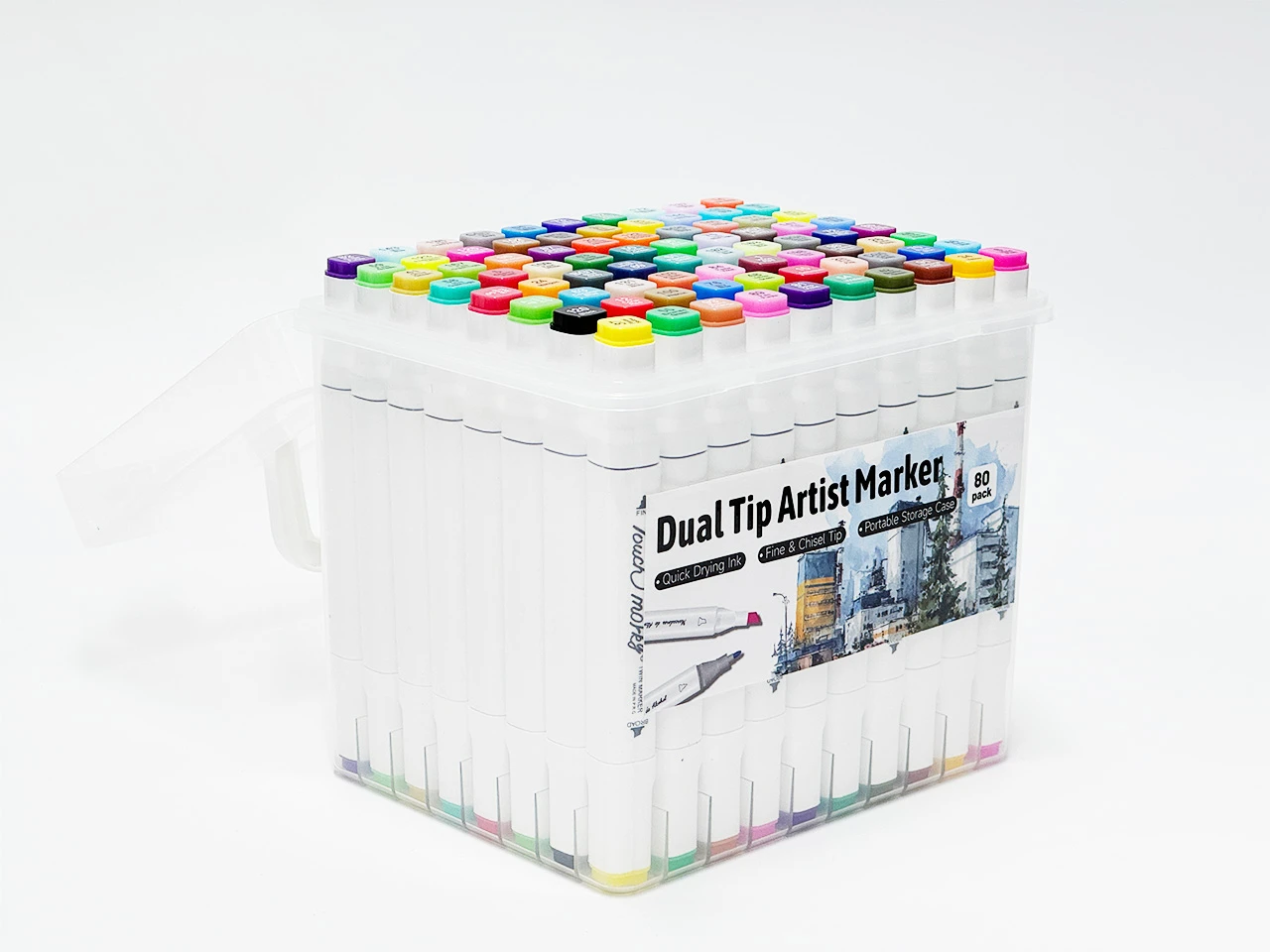
- Colour Selection: Develop colour assortments based on the required number of shades and colour families.
- Tip Configuration: Select available nib combinations for broad coverage, detailed drawing or flexible line work.
- Barrel and Cap Design: Customize product colours, printed patterns and colour identification.
- Brand Printing: Arrange logo placement and printed information according to the approved artwork.
- Set Packaging: Configure marker quantities, internal trays, colour arrangements and package design.
FAQ
Q: What is the difference between alcohol drawing markers and water-based markers?
A: Alcohol markers use an alcohol-based solvent system, while water-based markers use water as the main liquid carrier. Their drying behaviour, blending response and surface compatibility differ, so the selection should depend on the intended drawing method and paper type.
Q: Can markers be developed with different tip combinations?
A: Available configurations depend on the marker model. Chisel, bullet and brush tips can be considered where supported by the product structure. The tip combination should be confirmed before sample development.
Q: How should colour consistency be evaluated across a marker set?
A: Each colour should be tested on the same reference paper under consistent conditions. The resulting colour samples can be compared with the approved colour chart to check differences between individual markers.
Q: Does alcohol marker ink bleed through paper?
A: Bleed-through depends on ink volume, paper thickness, coating and absorbency. Marker paper designed for alcohol-based ink can help manage this issue, but the actual result should be checked with the selected marker and paper combination.