


Do art sketch markers work well on wood?
When it comes to creative projects, the choice of materials can significantly impact the final outcome. One question that often arises among artists and DIY enthusiasts is, "Do art sketch markers work well on wood?" As a supplier of Art Sketch Marker, I've had the opportunity to explore this topic in-depth. In this blog post, I'll share my insights based on practical experience and scientific understanding.
Understanding Wood as a Surface
Wood is a natural and versatile material that has been used in art and craftsmanship for centuries. Its unique grain patterns, texture, and absorbency make it an interesting canvas for various artistic techniques. However, not all woods are created equal. Softwoods like pine and cedar have a more porous surface, which means they can absorb ink more readily. On the other hand, hardwoods such as oak and maple are denser and have a smoother surface, which may pose different challenges for marker application.
The porosity of wood affects how well the marker ink adheres and spreads. Porous woods tend to soak up the ink quickly, which can lead to a more intense color saturation but may also cause the ink to bleed or spread unevenly. Dense woods, on the other hand, may require more pressure and multiple layers of ink to achieve a vibrant color.
Characteristics of Art Sketch Markers
Art sketch markers are designed to provide a wide range of colors, smooth application, and quick-drying properties. They come in various tip sizes, from fine to broad, allowing artists to create different line widths and effects. Most markers use water-based or alcohol-based inks, each with its own set of characteristics.
Water-based markers are generally more environmentally friendly and easier to clean up. They are also less likely to damage the wood surface. However, they may not be as long-lasting or resistant to fading as alcohol-based markers. Alcohol-based markers, on the other hand, offer vibrant colors, quick drying times, and better color blending. They are also more resistant to smudging and water damage.
Testing Art Sketch Markers on Wood
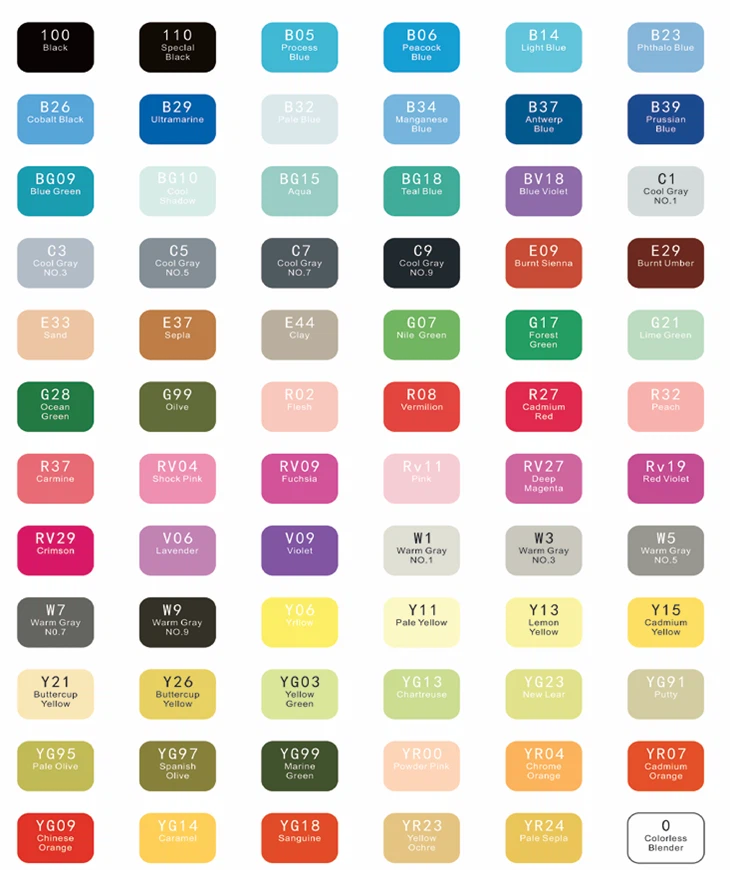
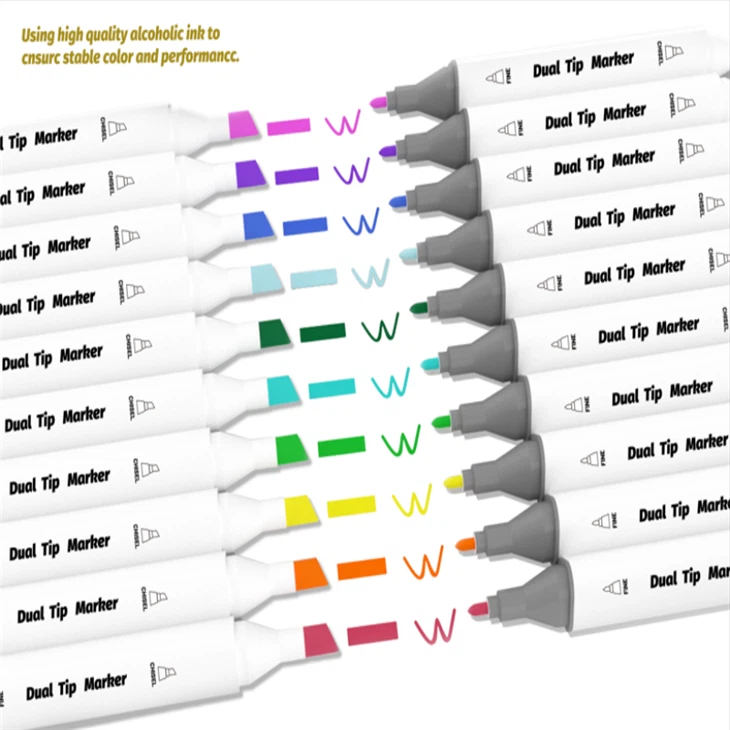
To determine how well art sketch markers work on wood, I conducted a series of tests using different types of wood and markers. I used 12 Colors Sketch Marker Pen and Sketch Scented Marker Pen to create various designs on pine, oak, and maple boards.
Results on Softwood (Pine)
On pine, the markers performed relatively well. The porous surface of the wood allowed the ink to be absorbed quickly, resulting in a rich and intense color. The fine tip markers were ideal for detailed work, while the broad tip markers were great for filling in large areas. However, I did notice some bleeding and spreading of the ink, especially when using multiple layers or applying too much pressure. To minimize this, I found it helpful to let the ink dry completely between layers and to use a light touch when applying the markers.
Results on Hardwood (Oak and Maple)
On oak and maple, the markers required more effort to achieve a vibrant color. The dense surface of the wood made it more difficult for the ink to penetrate, so I had to apply multiple layers and use more pressure. However, once the ink was applied, it adhered well to the surface and did not bleed or spread. The alcohol-based markers performed better on these woods, as they were able to dry quickly and provide a more intense color.
Tips for Using Art Sketch Markers on Wood
Based on my tests, here are some tips for using art sketch markers on wood:
- Prepare the Wood Surface: Sand the wood surface lightly to remove any roughness or debris. This will help the ink adhere better and create a smoother finish.
- Test the Markers: Before starting your project, test the markers on a small, inconspicuous area of the wood to see how they perform. This will allow you to adjust your technique and determine the best approach for your project.
- Use Multiple Layers: To achieve a vibrant color, apply multiple layers of ink, allowing each layer to dry completely before applying the next. This will also help to build up the color and create a more opaque finish.
- Control the Pressure: When applying the markers, use a light touch to avoid bleeding and spreading of the ink. If you need to create a darker color, apply more pressure or use multiple layers.
- Protect the Finished Project: Once your project is complete, consider applying a clear sealant or varnish to protect the ink from fading and damage. This will also give your project a professional finish.
Advantages of Using Art Sketch Markers on Wood
Using art sketch markers on wood offers several advantages:
- Versatility: Art sketch markers come in a wide range of colors and tip sizes, allowing you to create various designs and effects on wood.
- Quick and Easy: Markers are a convenient and mess-free way to add color to wood. They dry quickly, so you can start working on your project right away.
- Portability: Markers are lightweight and easy to carry, making them ideal for on-the-go projects or outdoor activities.
- Cost-Effective: Compared to other painting techniques, art sketch markers are relatively inexpensive, making them a great option for artists on a budget.
Conclusion
In conclusion, art sketch markers can work well on wood, but the results may vary depending on the type of wood and markers used. Softwoods like pine are more porous and absorb the ink more readily, while hardwoods like oak and maple require more effort to achieve a vibrant color. By following the tips outlined in this blog post, you can create beautiful and long-lasting designs on wood using art sketch markers.
If you're interested in purchasing art sketch markers for your next project, I invite you to explore our wide range of products. We offer high-quality Art Sketch Marker that are designed to provide excellent performance and vibrant colors. Whether you're a professional artist or a DIY enthusiast, our markers are sure to meet your needs.
If you have any questions or would like to discuss your specific requirements, please feel free to contact us. We're here to help you find the perfect markers for your project and to provide you with the support and guidance you need to achieve your creative goals.
References
- "The Complete Guide to Woodworking Finishes" by Robert W. Lang
- "Art Materials: A Concise Encyclopedia" by Carol L. Mancusi-Ungaro
