


How to use Sketch Markers for creating depth?
Sketch markers are versatile tools that can bring life and depth to your artistic creations. As a sketch marker supplier, I've witnessed firsthand the transformative power of these markers in the hands of talented artists. In this blog post, I'll share some tips on how to use sketch markers effectively to create depth in your sketches.
Understanding the Basics of Sketch Markers
Before diving into creating depth, it's essential to understand the basic properties of sketch markers. Sketch markers come in various types, including Dual Tip Permanent Marker, which offers both a fine tip and a broad tip for different line widths and effects. These markers are designed to provide smooth, consistent color application and are often pigment-based, which means they offer vibrant and long-lasting colors.
Another popular type is the Art Sketch Marker, known for its blendability and ability to create soft gradients. The 12 Colors Sketch Marker Pen is also a great option, especially for beginners, as it provides a range of colors in one set.
Using Value and Contrast to Create Depth
Value refers to the lightness or darkness of a color. By using a range of values in your sketch, you can create the illusion of depth. For example, in a landscape sketch, the foreground elements should be darker and more detailed, while the background elements should be lighter and less detailed. This contrast in value helps to separate the different layers of the sketch and gives it a three-dimensional appearance.
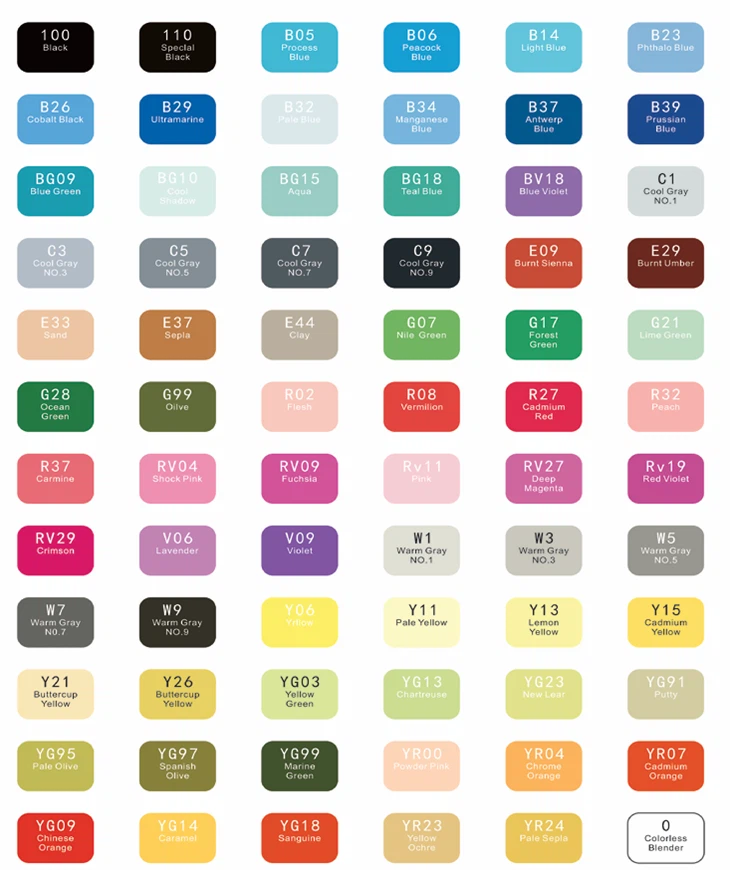
To achieve this, start by establishing a light source in your sketch. This will determine where the light hits the objects and where the shadows fall. Use lighter colors for the areas that are facing the light and darker colors for the areas in shadow. You can also use cross-hatching or stippling techniques to add more depth and texture to the shadows.
Blending and Layering for Smooth Transitions
Blending is a crucial technique when it comes to creating depth with sketch markers. Blending helps to create smooth transitions between colors and values, making the sketch look more realistic. There are several ways to blend sketch markers, including using a blending marker or a paper stump.
A blending marker is a colorless marker that can be used to blend the colors on the paper. Simply apply the blending marker over the colored areas, and it will dissolve the ink and create a smooth blend. A paper stump, on the other hand, is a small, cylindrical tool made of compressed paper. You can use it to blend the colors by rubbing it over the colored areas.
Layering is another technique that can be used to create depth. By applying multiple layers of color, you can build up the intensity and richness of the colors. Start with a light layer of color and gradually add darker layers on top. Make sure to let each layer dry before applying the next one to avoid smudging.
Creating Atmospheric Perspective
Atmospheric perspective is a technique used to create the illusion of distance in a sketch. As objects get farther away, they appear lighter, less detailed, and more bluish in color. This is because of the scattering of light in the atmosphere.
To create atmospheric perspective with sketch markers, use lighter and cooler colors for the background elements. You can also reduce the amount of detail in the background to make it appear more distant. For example, in a landscape sketch, the mountains in the background can be drawn with lighter blues and grays, while the trees in the foreground can be drawn with darker greens and browns.
Using Line Weight to Define Depth
Line weight refers to the thickness or thinness of a line. By using different line weights in your sketch, you can create the illusion of depth. Thicker lines tend to appear closer to the viewer, while thinner lines tend to appear farther away.

For example, in a sketch of a building, you can use thicker lines to draw the edges of the building that are closer to the viewer and thinner lines to draw the edges that are farther away. This will help to create a sense of depth and make the building look more three-dimensional.
Adding Highlights and Reflections
Highlights and reflections are important elements in creating depth and realism in a sketch. Highlights are the areas of an object that are directly hit by the light, while reflections are the areas where the light is reflected off the surface of an object.
To add highlights and reflections with sketch markers, use a white or light-colored marker. Apply the marker to the areas where the light hits the object or where the reflection is visible. You can also use a blending marker to soften the edges of the highlights and reflections for a more realistic effect.

Practice and Experimentation
Creating depth with sketch markers takes practice and experimentation. Don't be afraid to try different techniques and combinations of colors to see what works best for you. You can also study the works of other artists to get inspiration and learn new techniques.
As a sketch marker supplier, I encourage you to explore the possibilities of sketch markers and use them to bring your artistic visions to life. Whether you're a beginner or an experienced artist, there's always something new to learn and discover with sketch markers.
Contact Us for Your Sketch Marker Needs
If you're interested in purchasing high-quality sketch markers for your artistic projects, we're here to help. Our range of sketch markers, including the Dual Tip Permanent Marker, Art Sketch Marker, and 12 Colors Sketch Marker Pen, offers excellent performance and vibrant colors.
We're committed to providing our customers with the best products and service. If you have any questions or need assistance in choosing the right sketch markers for your needs, please don't hesitate to contact us. We look forward to working with you and helping you create amazing art.
References
- Betts, D. (2018). Drawing with Markers: Techniques for Creating Realistic Art. North Light Books.
- Daly, S. (2019). The Marker Bible: A Complete Guide to Drawing with Markers. Rockport Publishers.
- Hamon, D. (2020). Sketching with Markers: Techniques for Creating Dynamic Drawings. Quarry Books.
