


Can non - toxic crayons be melted and remolded?
Hey there! As a supplier of non - toxic crayons, I often get asked a bunch of questions. One of the most common ones is, "Can non - toxic crayons be melted and remolded?" Well, let's dig into this topic and find out.
First off, let's talk about what non - toxic crayons are made of. Most non - toxic crayons we supply are crafted from natural waxes, like beeswax or soy wax. These waxes are safe for kids to use, which is super important, right? We also add in natural pigments to give the crayons their vibrant colors.
Now, can they be melted? The short answer is yes. The waxes used in non - toxic crayons have a relatively low melting point. Beeswax, for example, starts to melt around 62 - 64°C (144 - 147°F), and soy wax melts at a similar temperature range. This means that with a bit of heat, you can turn those old, broken crayons into a liquid state.
But how do you go about melting them? There are a few ways. One popular method is using a double boiler. You fill the bottom pot with water and place the broken crayon pieces in a heat - safe container in the top pot. As the water in the bottom pot heats up, it gently melts the crayons in the top container. This method is great because it helps prevent the wax from overheating and burning.
Another option is using a microwave. You can put the crayon pieces in a microwave - safe container and heat them in short intervals, stirring in between. Just be careful not to overheat them, as that can cause the wax to smoke or catch fire.
Once the crayons are melted, the next step is remolding. You can use all sorts of molds for this. Silicone molds are a great choice because they're flexible and make it easy to pop out the newly formed crayons. You can find molds in all kinds of fun shapes, like stars, hearts, or even animal shapes.
Pour the melted wax into the molds and let them cool. Depending on the temperature of your environment, this can take anywhere from 30 minutes to a couple of hours. Once they're completely cooled and solid, you've got brand - new crayons!
Now, let's talk about some of the benefits of melting and remolding non - toxic crayons. First of all, it's a great way to recycle. Instead of throwing away those broken crayons, you can give them a new life. It's also a fun activity for kids. They can get involved in the melting and molding process, which is not only educational but also a lot of hands - on fun.
But there are also a few things to keep in mind. When melting the crayons, make sure to work in a well - ventilated area. Even though the crayons are non - toxic, heating them can release some fumes, and it's always better to be safe. Also, be careful when handling the hot wax. It can cause burns, so use oven mitts or other protective gear.
If you're interested in trying this at home, we've got a great selection of non - toxic crayons to start with. Check out our Twistable Crayons 24 Pack. These are super convenient and come in a variety of colors. Our Watercolor Gel Crayon is another great option. They have a unique texture and are perfect for creating beautiful watercolor - like effects. And if you're worried about messes, our Washable Crayon is a must - have.
As a supplier, we're always looking to work with new partners. Whether you're a retailer, a school, or an event organizer, we've got the non - toxic crayons you need. Our crayons are not only safe but also of high quality, ensuring that your customers or students will love them.
If you're interested in purchasing our non - toxic crayons in bulk, don't hesitate to reach out. We can offer you great deals and customized solutions to meet your specific needs. Contact us for more information and let's start a great business relationship!

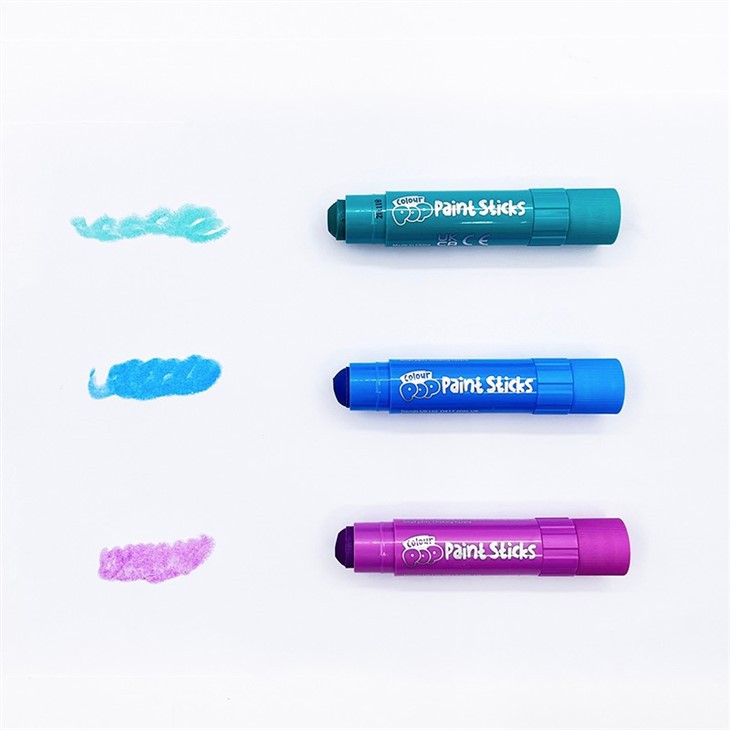
In conclusion, non - toxic crayons can definitely be melted and remolded. It's a fun, eco - friendly activity that can breathe new life into those old crayons. So, gather up your broken crayons, get some molds, and start creating!
References:
- General knowledge about wax melting points
- Experience from supplying non - toxic crayons
